

Howler Monkeys
Project Introduction
Every year hundreds of howler monkeys and other wild animals in Costa Rica are electrocuted on uninsulated power lines and transformers. In fact, electrocution is the number one killer of howler monkeys in Costa Rica.
Most electrocutions occur in rural areas. Sadly, the monkeys don’t know the difference between electrical wires and natural vines and will often travel across wires to get to feeding grounds. This is a particularly serious issue in areas of deforestation where monkeys have no choice but to travel on the wires.
A monkey only has to touch two live wires to be electrocuted. However, the main problem is caused by the high voltage electrical transformers attached to the wires. The monkeys travel along the wires in search of food but eventually have to cross a transformer to reach the wire on the other side. The transformers are extremely dangerous - many parts of them can deliver a deadly jolt of electricity to anything that touches them. Tragically, the monkeys don’t sense the danger until it’s too late. The shock is incredibly painful and causes horrific burns and often muscular spasms so the monkey can’t let go and sometimes even catches fire. Even worse, when a member of the troop cries out in pain, the rest of the troop will rush to help, often leading to several family members being electrocuted and dying.
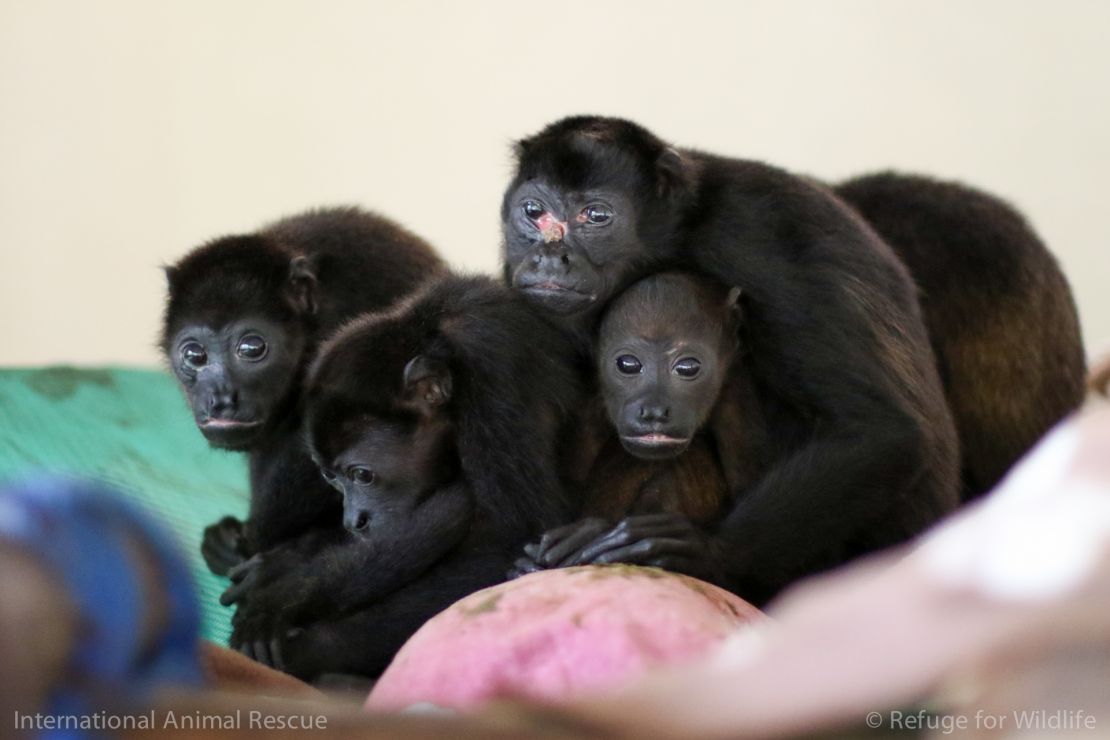
Most of the howler monkeys that survive electrical burns are infants that were clinging to their mothers when they were electrocuted. The mother absorbs most of the current while the babies suffer burns on their hands, tail and any other body part in direct contact with her. Some are lucky enough to escape with only minor burns.
70e7.jpg)
Our Work with Howler Monkeys
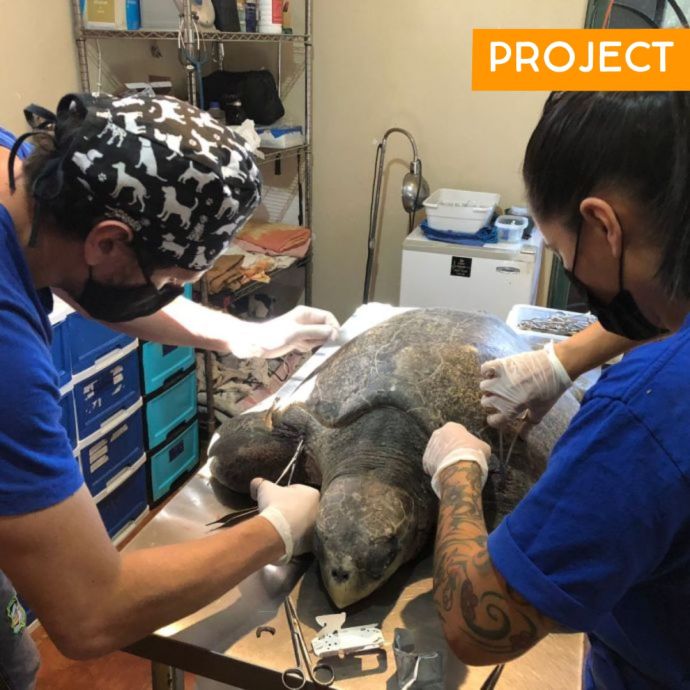
Our work in Costa Rica is dedicated to the rescue, rehabilitation, and release of native wildlife - particularly howler monkeys - that have been injured or orphaned due to threats like dog attacks, vehicle collisions, and most critically, electrocutions from uninsulated power lines.
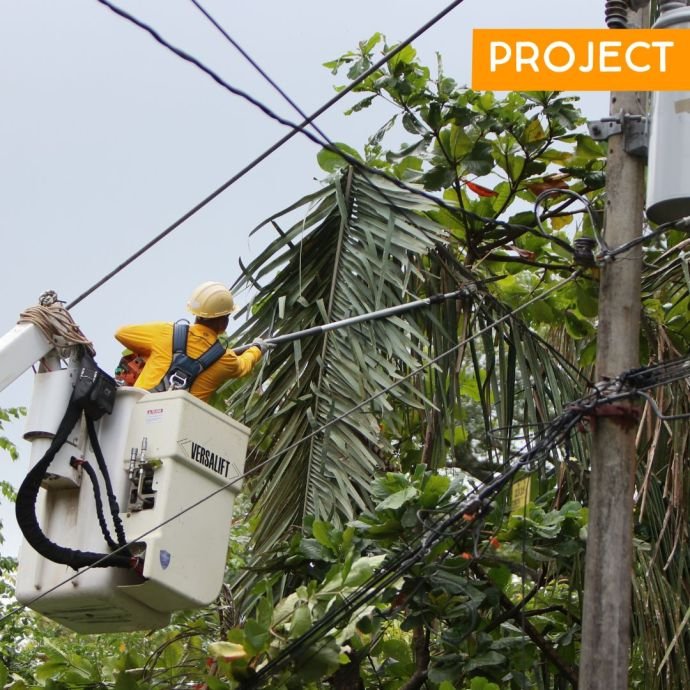
Despite the introduction of a national decree in 2024 to prevent electrocutions, implementation has been minimal. We are also campaigning to demand urgent government and utility company action to insulate power lines and protect Costa Rica’s iconic wildlife from needless suffering and death.
Top Howler Monkey Facts
- Howler monkeys are considered to be among the Earth’s loudest animals and are the loudest of all monkeys.
- They call to let others know where their territory is, alerting them to stay away. The calls sound like a loud whooping bark or roar. After one group of howlers calls, another group answers. Howler monkeys usually do this in the morning and at the end of the day.
- These monkeys are New World monkeys which live in Central and South America. At home in the forest, they hardly ever leave the treetops. They don’t move very far each day, feeding in a leisurely fashion at the very top of the forest canopy. Howlers mainly eat leaves, as well as fruits, nuts, and flowers. They get almost all the water they need from the food they eat. One of the few times they can be spotted on the ground, however, is during very dry spells when they need to find extra water.
- Howler monkeys have prehensile tails, or tails that can grip. The monkeys use their tails as a fifth limb to grip branches. Mostly they use their tails to help grip branches as they eat and move around high in the trees. Each family group is generally made up of 15 to 20 howlers. The leader is usually an old male.
- Female howlers have their first babies before age four. Pregnancy lasts six months. Most births are for one baby at a time. Like humans, howlers have babies at any time of year.
- Mothers take great care of their young. These babies grow very fast. Mothers take care of them for the first year, giving them all of the food, love and learning they need to survive on their own.
- At about one year old, young howlers must leave their troop. They get driven from the group to find a new one. During this period, the young howlers explore the forest and look for another troop to accept them and take them in.
- Howler Monkey Population: Scientists consider howler monkeys not threatened as a species. However, continuing habitat loss could cause this to change at any time. Overall, about 100,000 howlers of all subspecies remain in the wild.