


Our
Work
Intro
Throughout our history, whenever we have worked to protect animals, we have always strived to address the root causes of their suffering — and that starts with working directly with local communities to create sustainable solutions and lasting change.
Our approach goes beyond rescue and rehabilitation. We believe that to truly improve the lives of animals, we must protect their habitats and tackle the wider threats they face. That’s why we work alongside local communities, who are best placed to identify issues and drive meaningful solutions. Together, we develop grassroots projects with clear, measurable goals — forming joined-up strategies that reduce threats to wildlife and help humans and animals coexist in harmony.
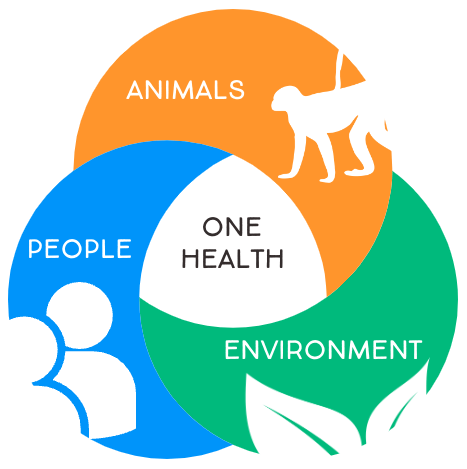
In a world increasingly threatened by climate change,biodiversity loss, and the spread of disease, it’s never been clearer that the health of animals, people, and the environment are deeply connected. That’s why we take aholistic ‘One Health’ approach, recognising that protecting animals also means safeguarding the ecosystems we all depend on.
Our Approach
Our work focuses on three interconnected areas: protecting animals, supporting people, and restoring the environment. By addressing all three, we create lasting change — helping wildlife thrive, empowering local communities, and safeguarding the natural world we all depend on.
Animals
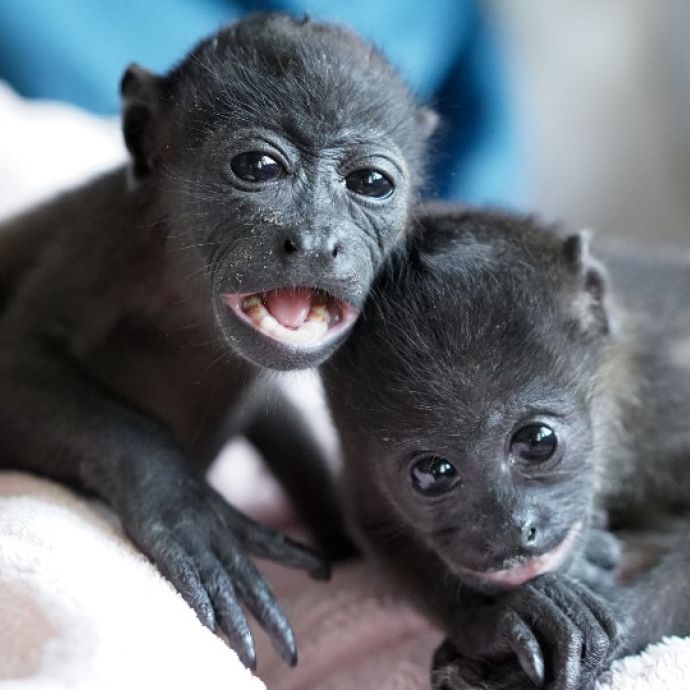
The protection and conservation of animals lies at the heart of all we do. Through rescue, rehabilitation, and release, we give suffering animals a second chance at life in the wild. Our work doesn’t stop there — we also monitor released animals to ensure their safety and wellbeing and protect the habitats they depend on. For those that can’t be released we provide lifelong sanctuary.
People
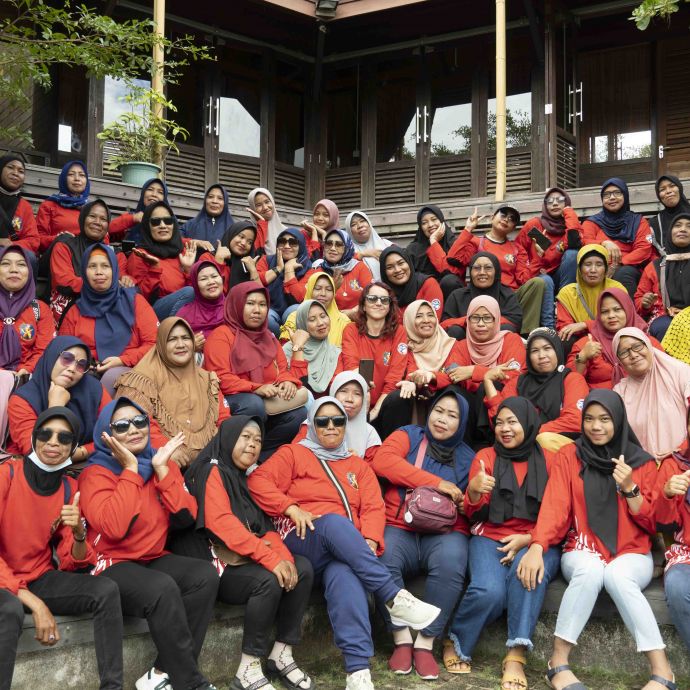
We believe that when communities thrive, wildlife thrives too. That’s why we work alongside local people to find lasting solutions to the challenges threatening animals and their habitats. By addressing issues like deforestation, human-wildlife conflict, and unsustainable livelihoods, we help reduce pressure on the environment while improving community wellbeing. Many of our initiatives focus on alternative livelihoods, education and empowering women.
Environment
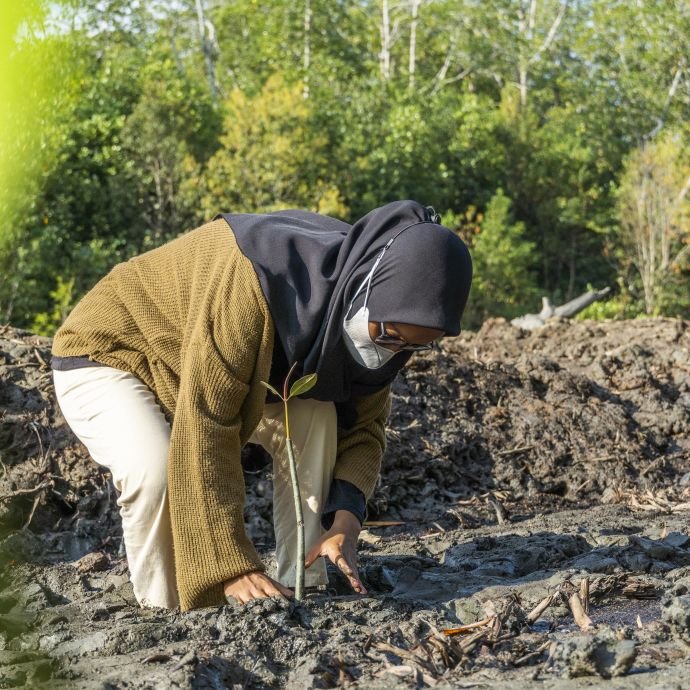
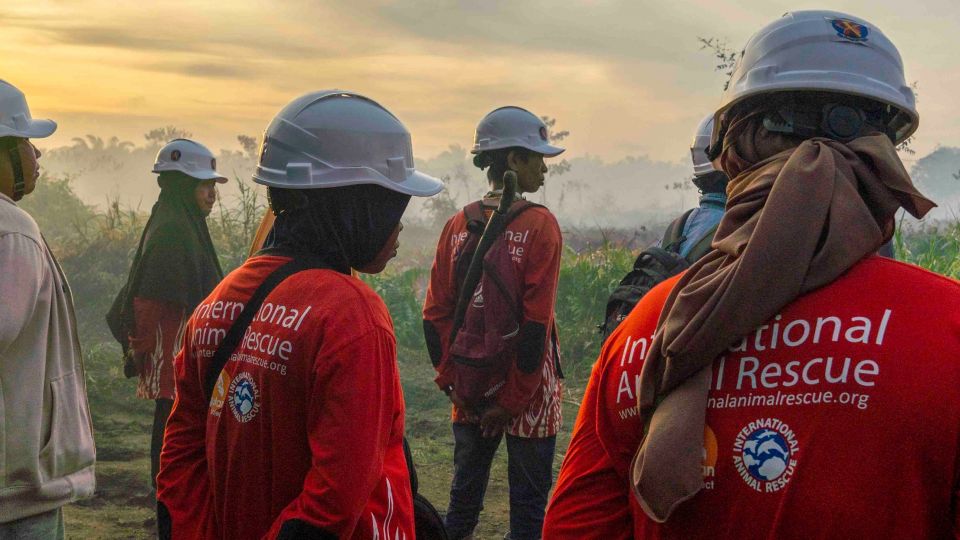
The survival of wildlife depends on healthy, protected ecosystems. We collaborate with local communities on projects that restore and protect vital habitats, from reforestation and mangrove restoration to fire prevention and forest patrols. By supporting sustainable agriculture and conservation initiatives, we help safeguard biodiversity and fight climate change, ensuring a safer future for animals, people, and the planet.
FULL WIDTH IMAGE
Our Impact

Tonnes of Carbon
Through our direct intervention and projects around the world, we have protected important natural carbon stores and prevented emissions of 70 million tonnes of carbon.

Orangutans Saved
Since we began supporting YIARI in 2009, over 250 orangutans have been rescued who have been displaced as a result of habitat loss, the pet trade and human-wildlife conflict.

Read all about it
Read all about it
What it takes to return an “exotic pet” to the wild
The Javan slow loris is a nighttime creature that, as its name implies, moves oh-so slowly. It lives in trees alone and is adorable, with sad, round black eyes in a furry black and white head. Though it lives in the rainforests of South and Southeast Asia, you won’t likely spot one there.

The simple steps towards climate action everyone can take
Becoming more environmentally aware, and making more ecologically-sound choices, doesn’t have to involve huge amounts of effort. From sustainability professionals to everyday people, here are some easy decisions to help us all sleep better at night.

Sumatra coffee farmers brew natural fertilizer as inflation bites
BATUTEGI FOREST, Indonesia — Like millions of small farmers across Indonesia, Sri Atmiatun’s family has shouldered higher fertilizer prices, cost-of-living hikes, and increasingly extreme weather in recent years.

'Malnourished sloth bear Chitra was forced to entertain tourists, now she is transformed'
Restrained by a cruel rope, which is pierced through her muzzle, and kept alone in a cage, Chitra's only escape came when she was forced to entertain tourists on the streets in South India.
