
Orangutan
Intro
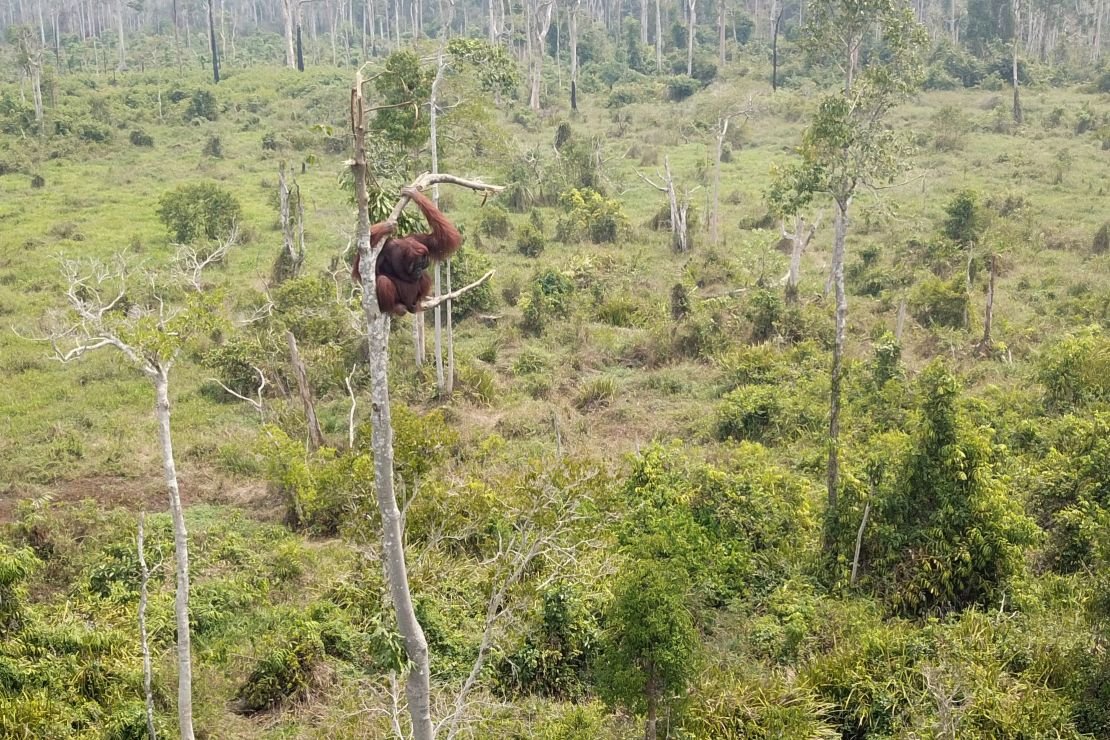
The plight of the orangutan in Indonesia has reached a critical stage, with the survival of all three species under serious threat. These critically endangered primates are suffering and dying as a result of habitat loss for palm oil production and other industrial scale agriculture, as well as through hunting.
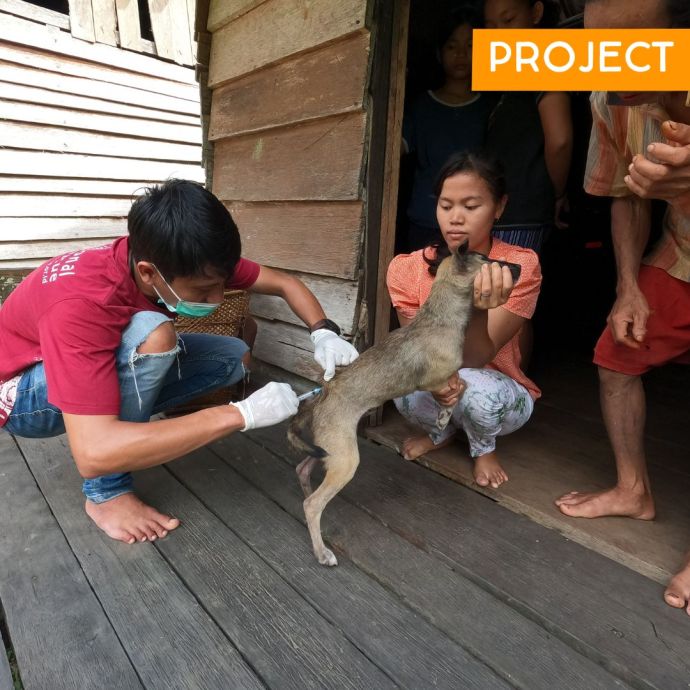
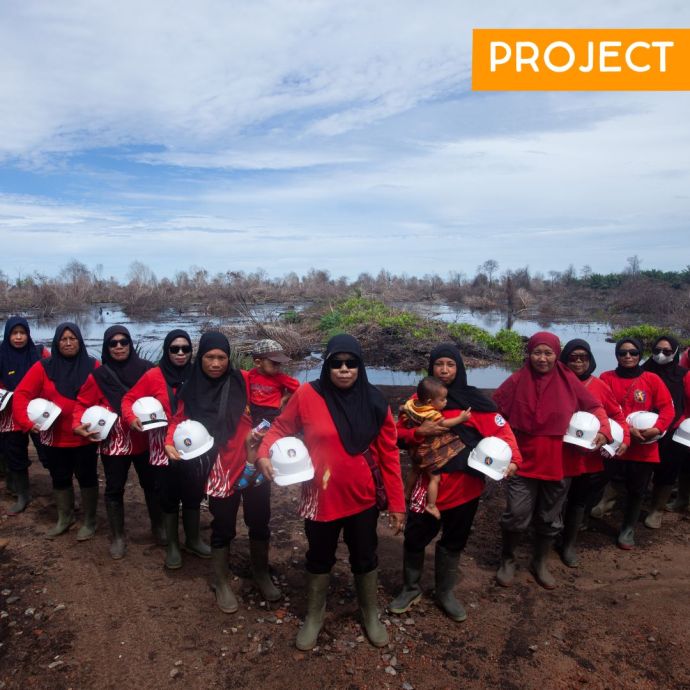
With our partners YIARI and the collaboration of the Indonesian government, we are tackling the problem on every level, including the rescue and rehabilitation of individual animals and their reintroduction into the wild; forest protection and reforestation; community outreach and education, and collaboration with all stakeholders to secure the long term future of the species, the local communities, and the forest habitat on which animals and people depend for survival.
If orangutans are to survive in the wild, it is vital that there is enough forest left to provide them with food and shelter and enable them to move from one patch of forest to another, to ensure breeding opportunities and genetic diversity. YIARI works with local and national governments, the private sector, other NGOs and consultancy firms, and international certification schemes to facilitate this.
YIARI is based in West Kalimantan – a province in the southern, Indonesian part of the island of Borneo. At the centre in Ketapang, orangutans that have been taken from the forest and kept as pets undergo lengthy rehabilitation so that they can return to the wild and live as nature intended.
a3ce.jpg)
Saving Orangutans
Our partners YIARI take an holistic approach towards the conservation of one of humanities closest cousins. By working with the regional government, they have restored destroyed areas of rainforest, educated local communities and repopulated a species on the brink of extinction. The fight to save the orangutan is multi-faceted and ever changing.
_050b3.jpg)
Top Orangutan Facts
- In Malay and Indonesian orang means “person” and utan is derived from hutan, which means “forest.” Orangutan literally means “person of the forest.”
- Orangutans are divided into three separate species:
- Bornean orangutan (Pongo pygmaeus) – population estimated to be between 70,000 and 100,000.
- Sumatran orangutan (Pongo abelii) – population estimated to be about 14,000.
- Tapanuli orangutan (Pongo tapanuliensis) – population estimated to be about 800.
- All three species are listed as Critically Endangered on the IUCN Red List of Threatened Species, meaning they face an extremely high risk of extinction in the wild.
- The main threats to wild orangutan populations are illegal hunting and killing, and habitat loss primarily for palm oil and timber plantations.
- Orangutans are unique in the ape world. Of the four kinds of great apes (gorillas, orangutans, bonobos, and chimpanzees) only the orangutan comes from Asia. The rest come from Africa.
- Appearance – heavy, rather human-like body, with very long arms and grasping hands and feet. Dark grey skin and reddish hair.
- As the largest tree living mammal in the world, orangutans are the most arboreal of the great apes, spending most of their time in trees.
- Adult males develop distinctive cheek pads or flanges and make long calls that attract females and intimidate rivals.
- Orangutans are the most solitary of the great apes, with social bonds occurring primarily between mothers and their dependent offspring, who remain together for the first six to eight years of the infant’s life.
- Orangutans are among the most intelligent primates, using a variety of sophisticated tools and constructing elaborate sleeping nests each night from branches and foliage.
- Orangutans have tremendous strength, which enables them to swing from branch to branch and hang upside-down from branches for long periods of time to retrieve fruit and eat young leaves.
- An orangutan diet is made up of bark, leaves, flowers, a variety of insects, and most importantly, over 300 kinds of fruit.
- Lifespan – between 35 and 40 years. 50 years or more in captivity.


